
Electrodes are conductive materials that facilitate the flow of electric current in various applications, including batteries, sensors, and medical devices. The Starter Electrode, powered by OHAUS Precision, are built to withstand regular use. These robust and long-lasting electrode feature glass or plastic shaft construction. Each electrode includes a built-in temperature sensor for automated temperature correction, ensuring precise readings. They fit precisely into the electrode clips on all OHAUS portable meters and the electrode holders on OHAUS bench meters.
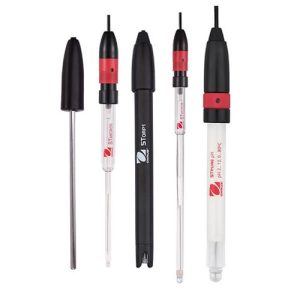
Ohaus Electrodes Starter ST Series
FAQ
Electrode are conductive materials that facilitate the flow of electric current in various applications, such as batteries, sensors, and medical devices.
2.What materials are used to make electrode?
Electrode are commonly made from conductive materials like metals, graphite, and carbon.
Electrode conduct electric current by transferring electrons between the electrode and the substance in which they are immersed, enabling various electrochemical reactions.
4.What types of electrode are available?
Common types of electrode include reference electrode, working electrode, and counter electrode. Each type serves a specific function in electrochemical cells and experiments.
5.What applications use electrodes?
Applications that use electrode include batteries, fuel cells, electrolysis, pH measurement, and medical devices like ECG and EEG machines.
6.How do I choose the right electrode for my application?
To choose the right electrode, consider factors such as the type of measurement needed, the chemical environment, the required precision, and the compatibility with your existing equipment.
7.What are Starter Electrodes by OHAUS?
Starter Electrodes by OHAUS are durable and reliable electrodes designed for regular use. They feature glass or plastic shaft construction and built-in temperature sensors for precise readings.
8.How do built-in temperature sensors in electrodes benefit measurements?
Built-in temperature sensors enable automated temperature correction, ensuring accurate and consistent measurements in varying environmental conditions.