
A weighing indicator is a device that displays weight measurements from load cells or scales. It’s used for accurate weight readings in manufacturing, logistics, and retail.
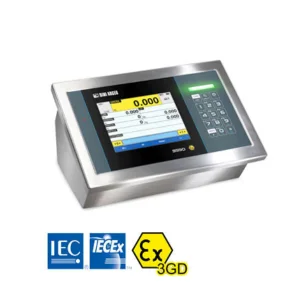
Dini Argeo Ex 2 & 22
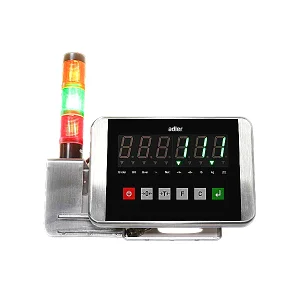
Adler Indicator ASI 103S
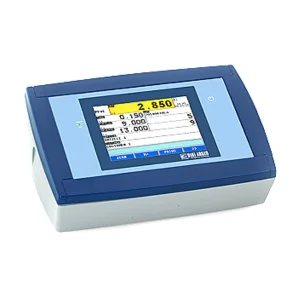
Dini Argeo Touch Screen Weighing Indicator-3590ETD
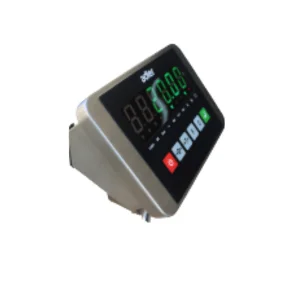
Adler Indicator ASI 102S
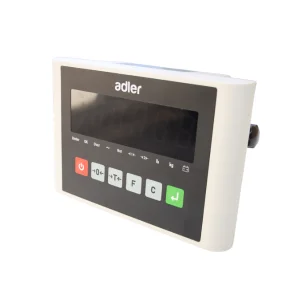
Adler Indicator-ASI 101P
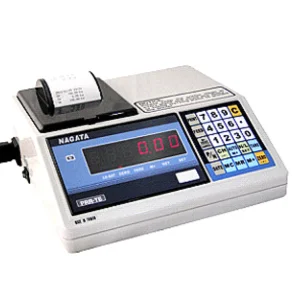
Nagata Indicator with Printer
FAQ
1. What does a Weighing Indicator do?
A weigh indicator displays weight measurements from load cells or scales. It ensures accurate weight readings in manufacturing, logistics, and retail settings.
2. How does a Weighing Indicators operate?
A weigh indicator receives weight measurements via electrical signals from load cells. It processes these signals to show weight values on its display.
3. What are the key features of a Weighing Indicator?
- Digital Display: Shows weight measurements clearly.
- Calibration: Adjusts settings for precise readings.
- Tare Function: Subtracts container weights.
- Data Output: Interfaces with other systems for data storage and analysis.
- User Interface: Includes buttons or touchscreens for ease of use.
4. In which industries are Weigh Indicators used?
Weigh indicators find application in manufacturing, logistics, retail, agriculture, and food processing industries for weighing raw materials, products, packages, livestock, and produce.
5. What factors should be considered when selecting a Weigh Indicator?
Consider accuracy, capacity, interface options, durability, and ease of use to ensure it meets operational needs.